El Telart — Rural Art Lab & Residency (Spain)
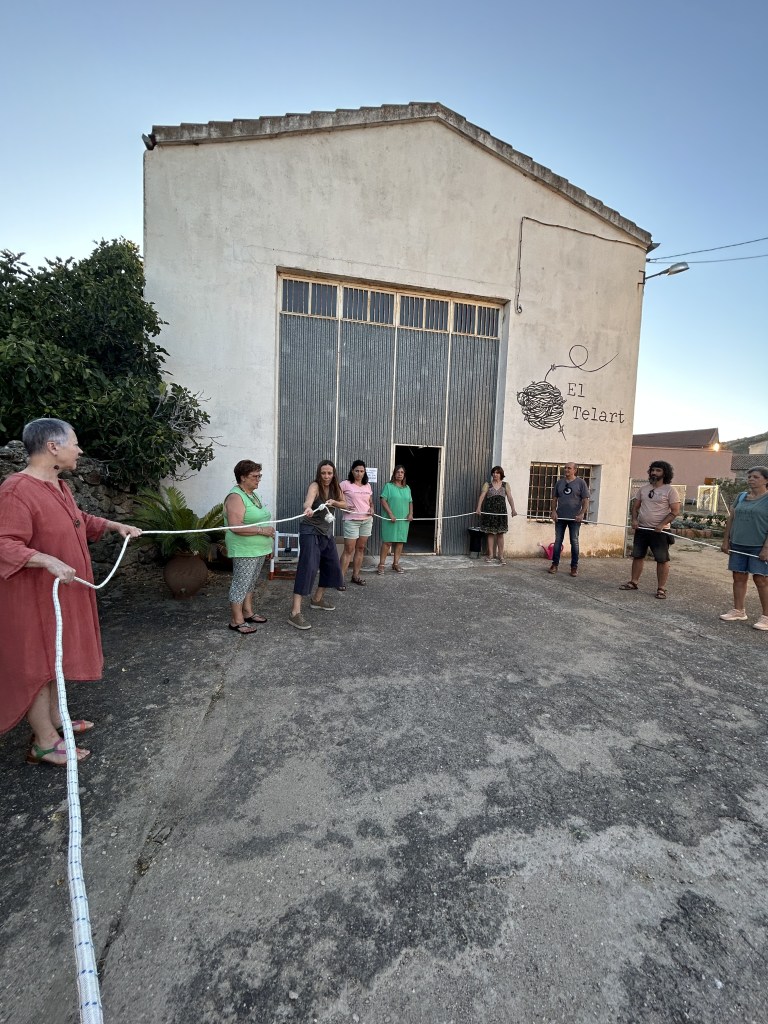
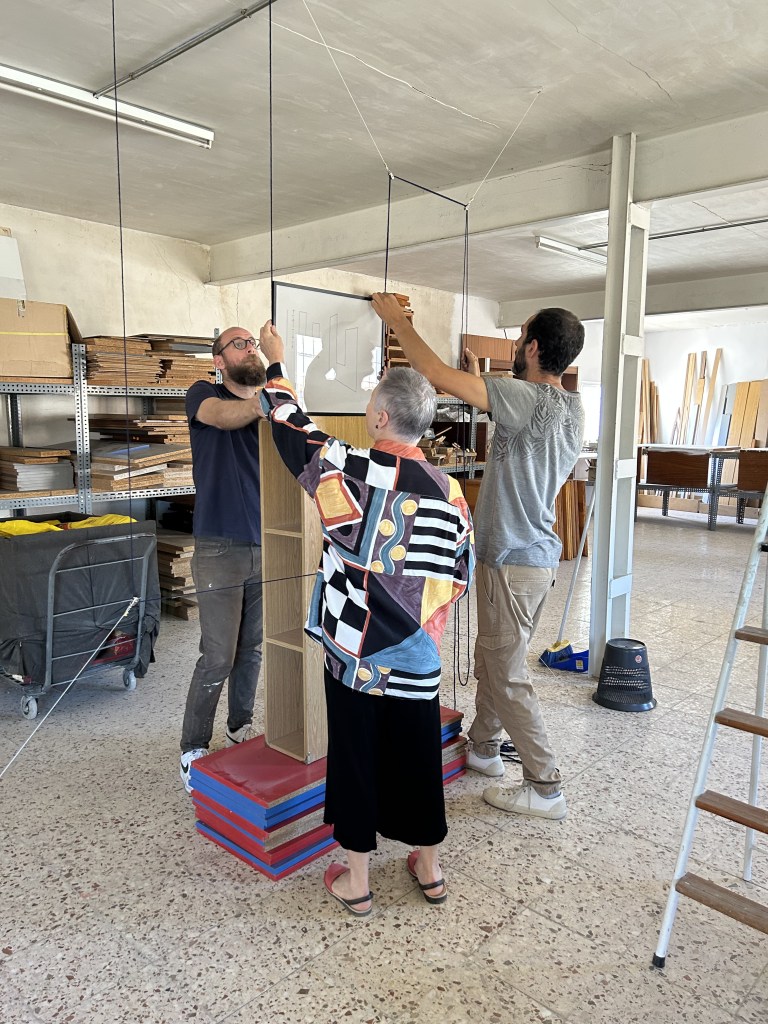
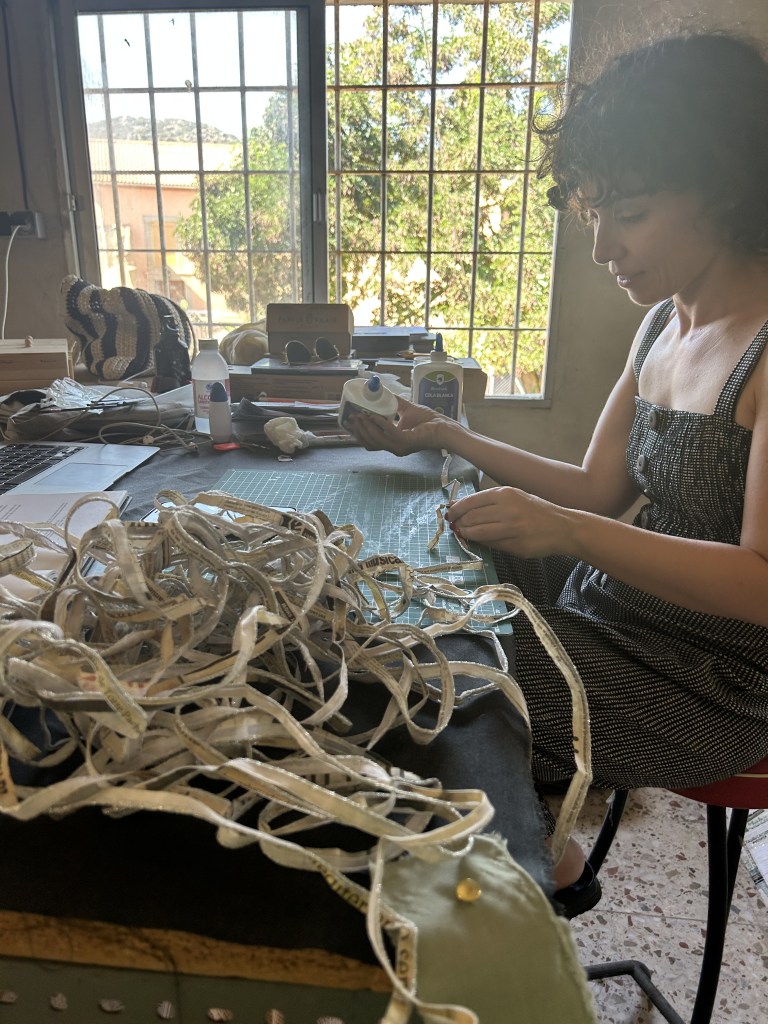
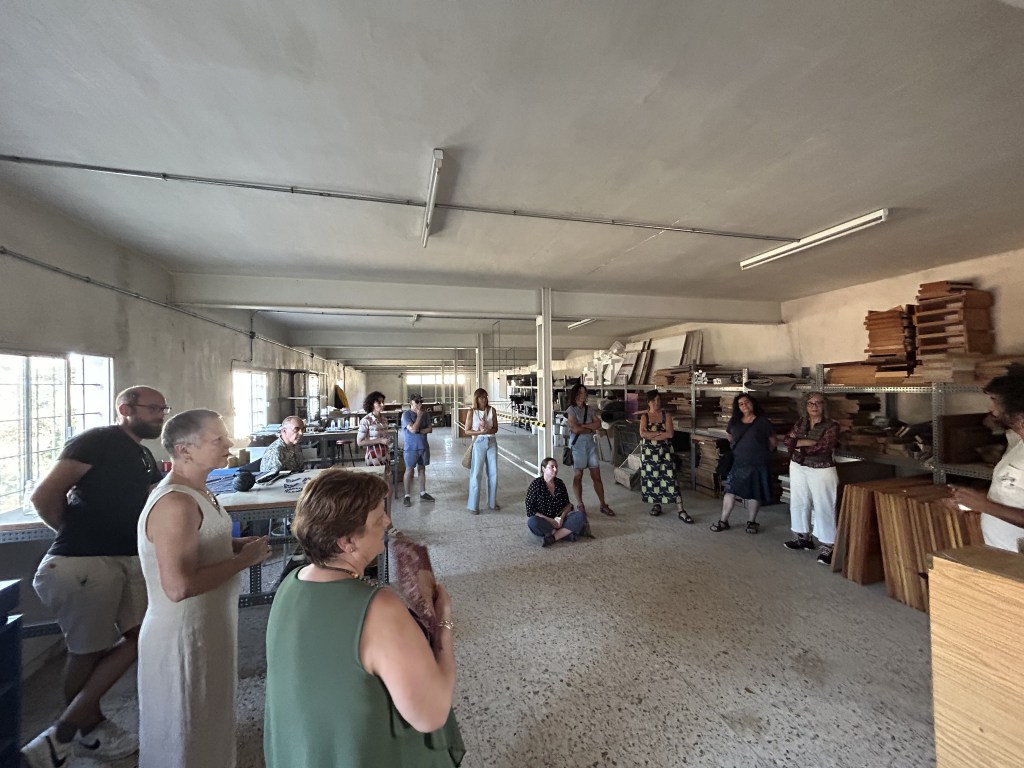
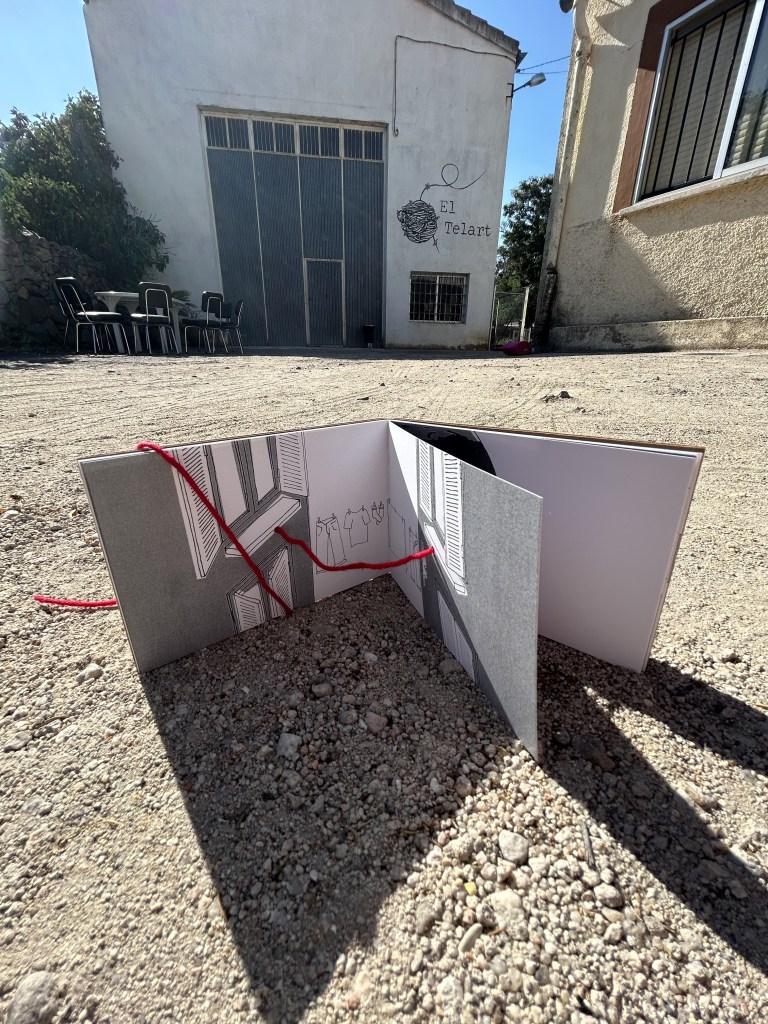
El Telart is an independent rural art space based in Santa María del Berrocal (Ávila), in the Corneja Valley, Spain. Located in a former textile warehouse transformed into a working studio and residency, it operates as a site for artistic production, critical thinking, and community-based practice.
Founded and co-directed by Leticia Izrego and Rodrigo Rodríguez, El Telart connects contemporary art with rural territory. It is not only a place to produce work, but a laboratory for situated research, collective processes, and long-term engagement with place.
What We Do
– International artist residencies (performance, visual arts, photography, music, writing, muralism, interdisciplinary practices).
– Workshops and training programs focused on art, gender, ecology, and critical methodologies.
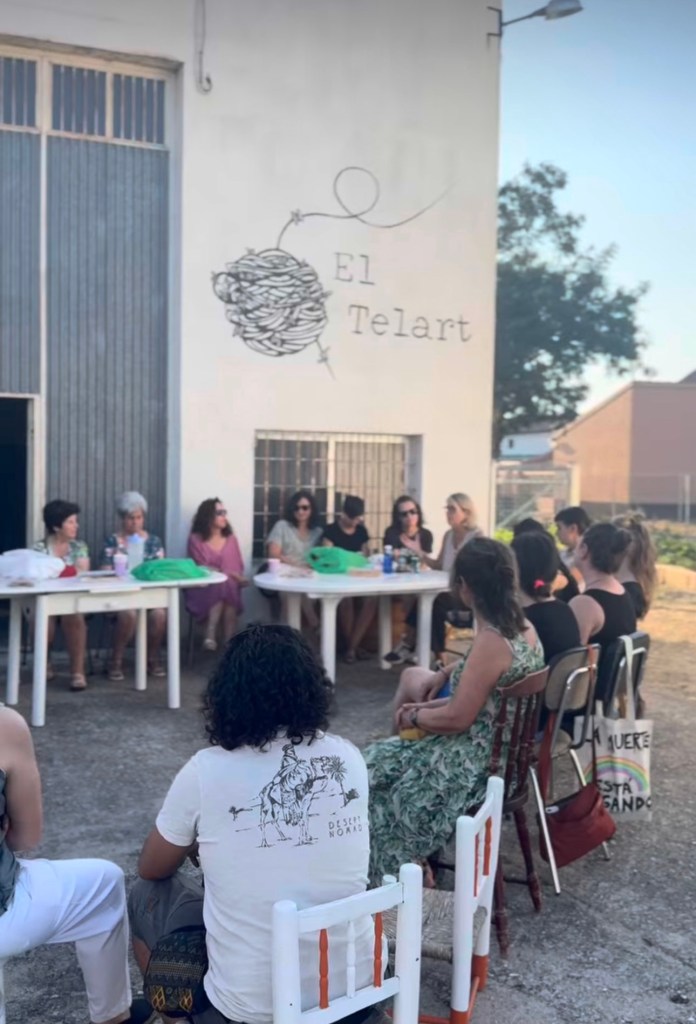
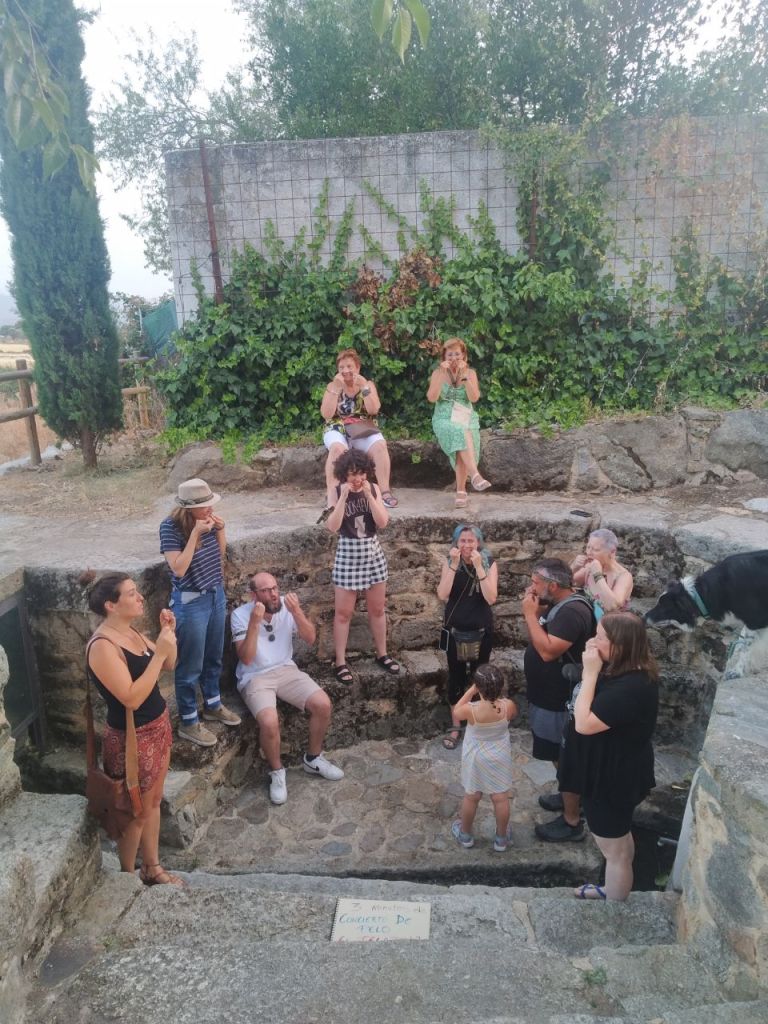
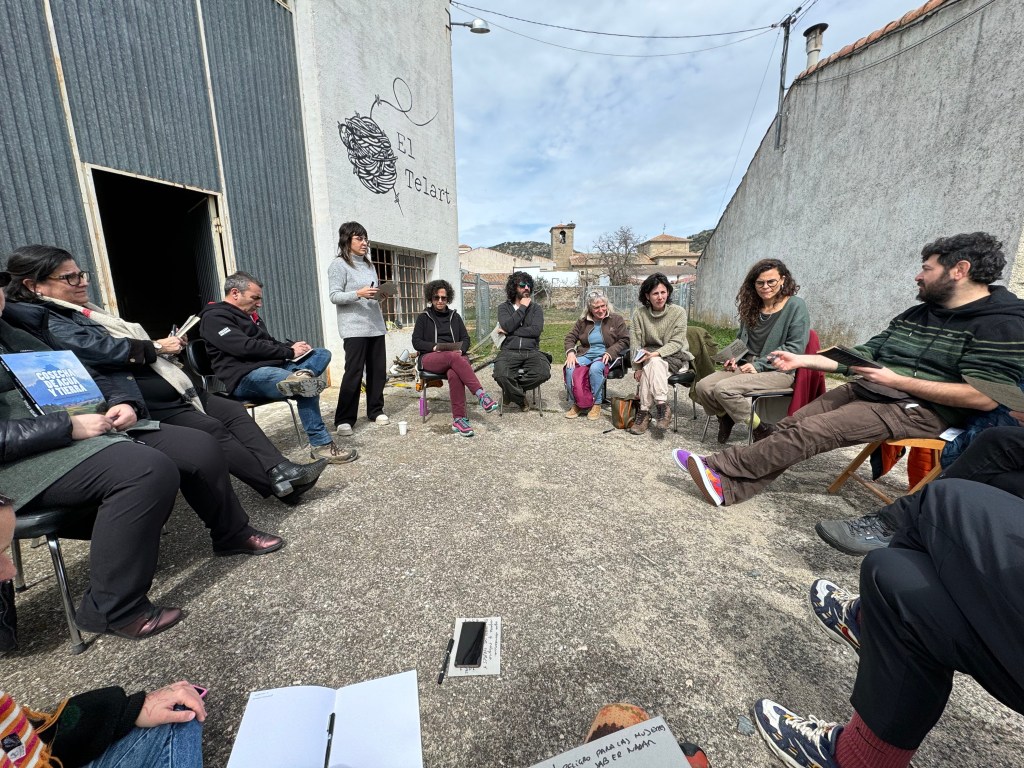
– Community-based projects developed in dialogue with the local population.
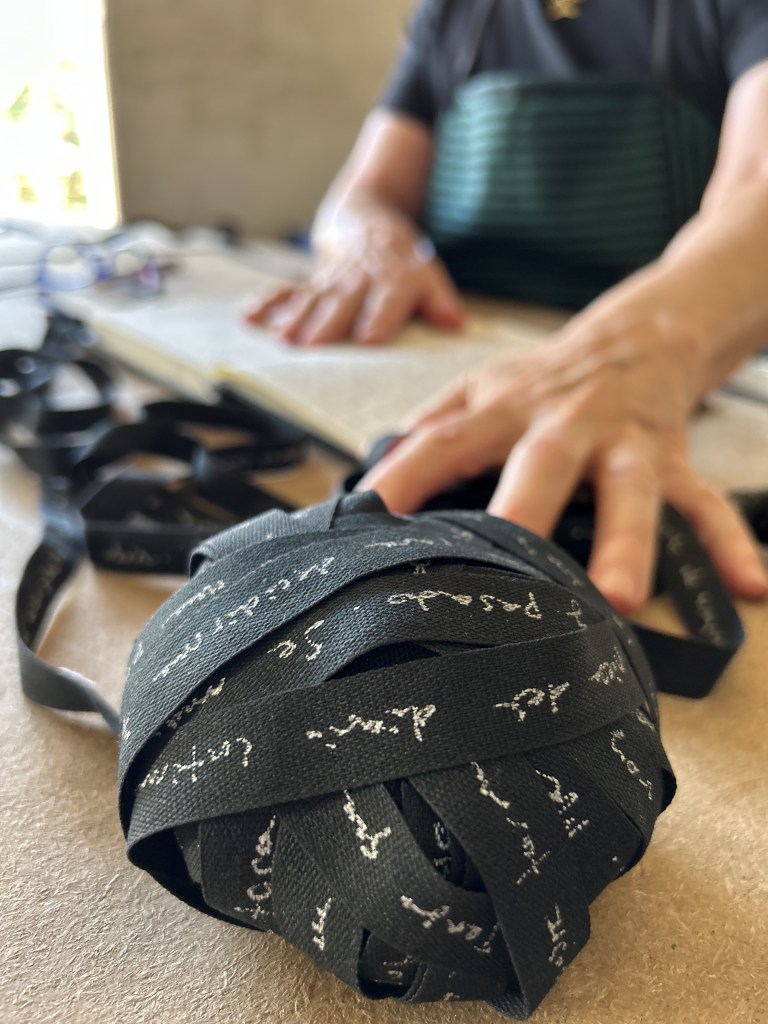
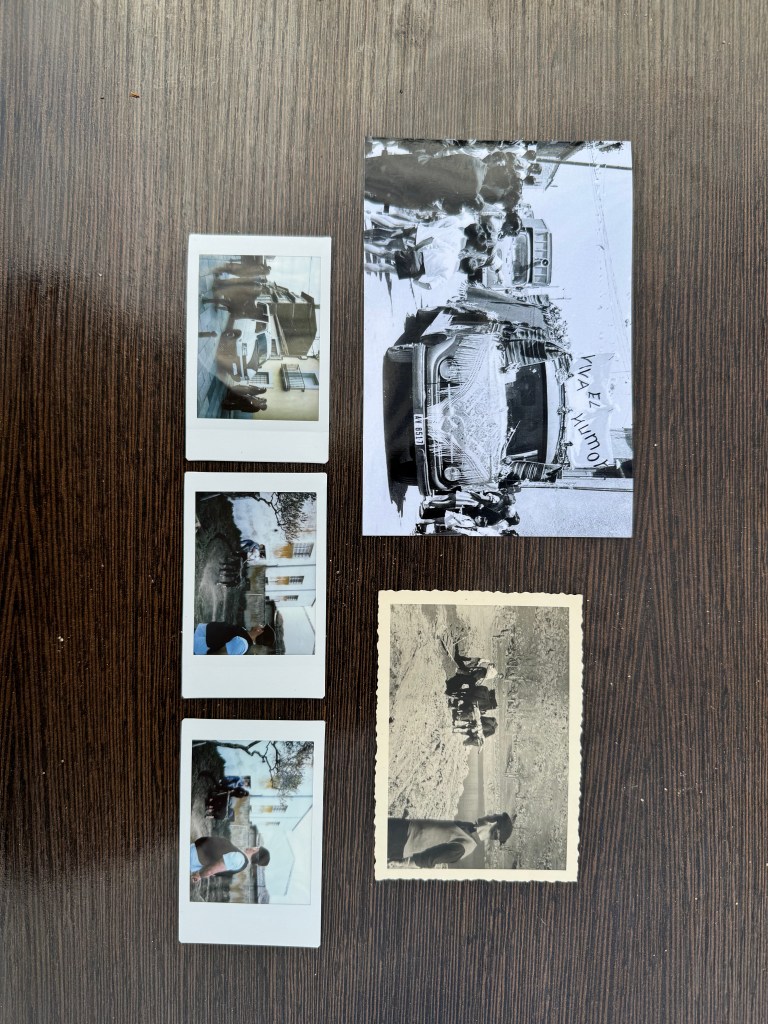
– Public presentations and exhibitions linking contemporary creation with local memory and landscape.
Since 2023, El Telart has hosted multidisciplinary and performance-focused residencies, encouraging projects that respond directly to the social and environmental context of the village.
A Situated Practice
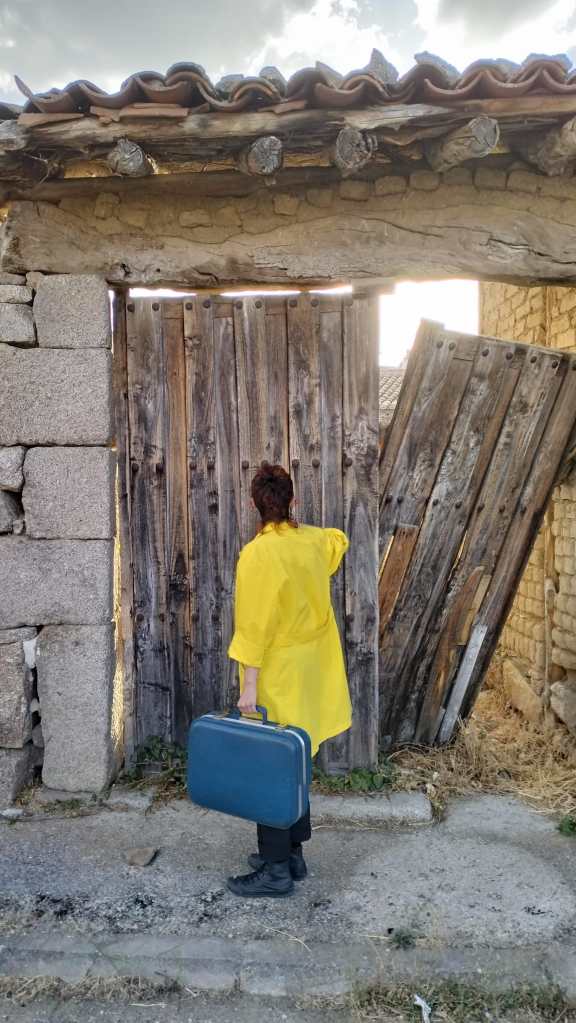
The space includes a 300 m² industrial studio and nearby accommodation for residents. The surrounding landscape—holm oaks, agricultural fields, vernacular architecture—is not a backdrop but an active collaborator in the creative process.
El Telart works from the premise that rural art practice should not replicate urban cultural models, but instead develop context-sensitive forms of production rooted in the rhythms, histories, and material realities of the territory.
Conceptual Framework
The project is grounded in:
– Feminist and body-based practices
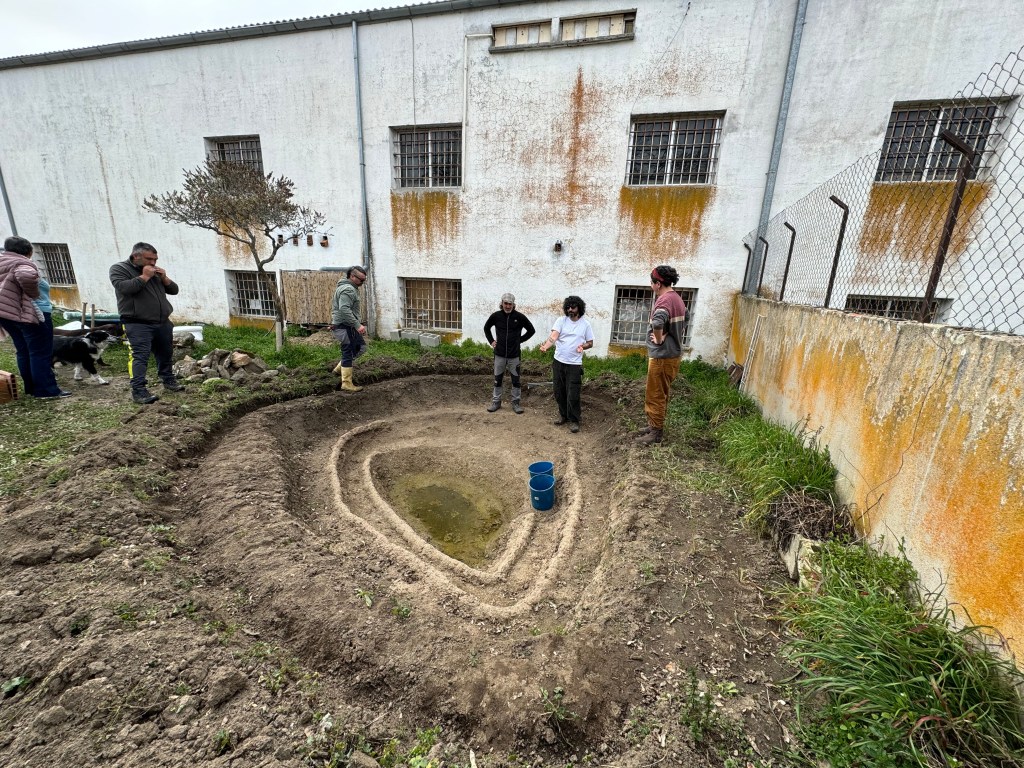
– Ecological awareness and material sustainability
– Cultural cooperation and transnational exchange
El Telart establishes bridges between local rural practice and international collaborations, connecting small-scale territories with broader debates on cultural rights, gender, and land.
Why El Telart
Because rural contexts are not cultural peripheries, but spaces of radical experimentation.
Because artistic practice can contribute to territorial revitalization.
Because creating also means listening, caring, and staying.
El Telart is a long-term commitment to independent cultural work grounded in ethics, collaboration, and place.
 Leticia Izrego