Art, Gender and Cooperation — Addis Ababa (2021–ongoing)
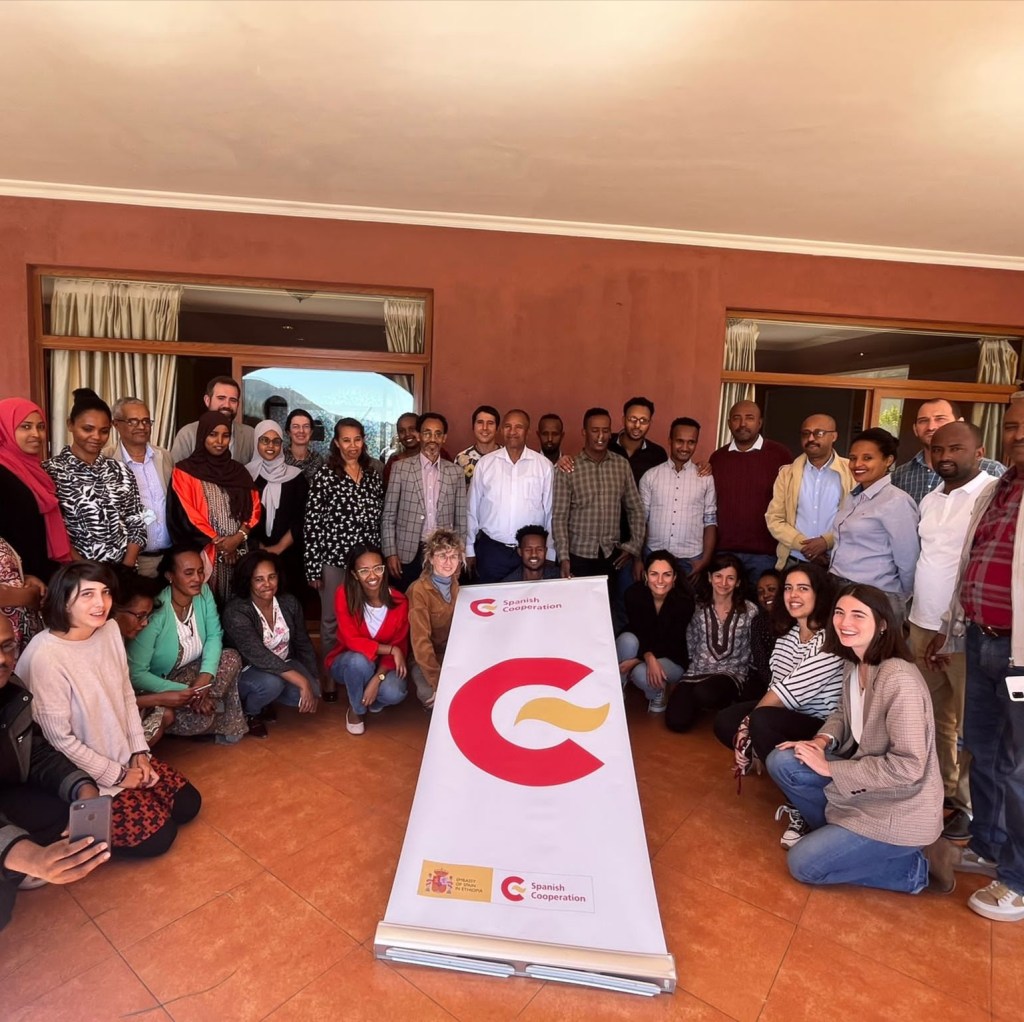
This long-term collaboration with the Spanish Cooperation (AECID – ACERCA Program) began in 2021 with a preparatory phase of research and contextual dialogue. The first workshop was held in Addis Ababa in 2022.
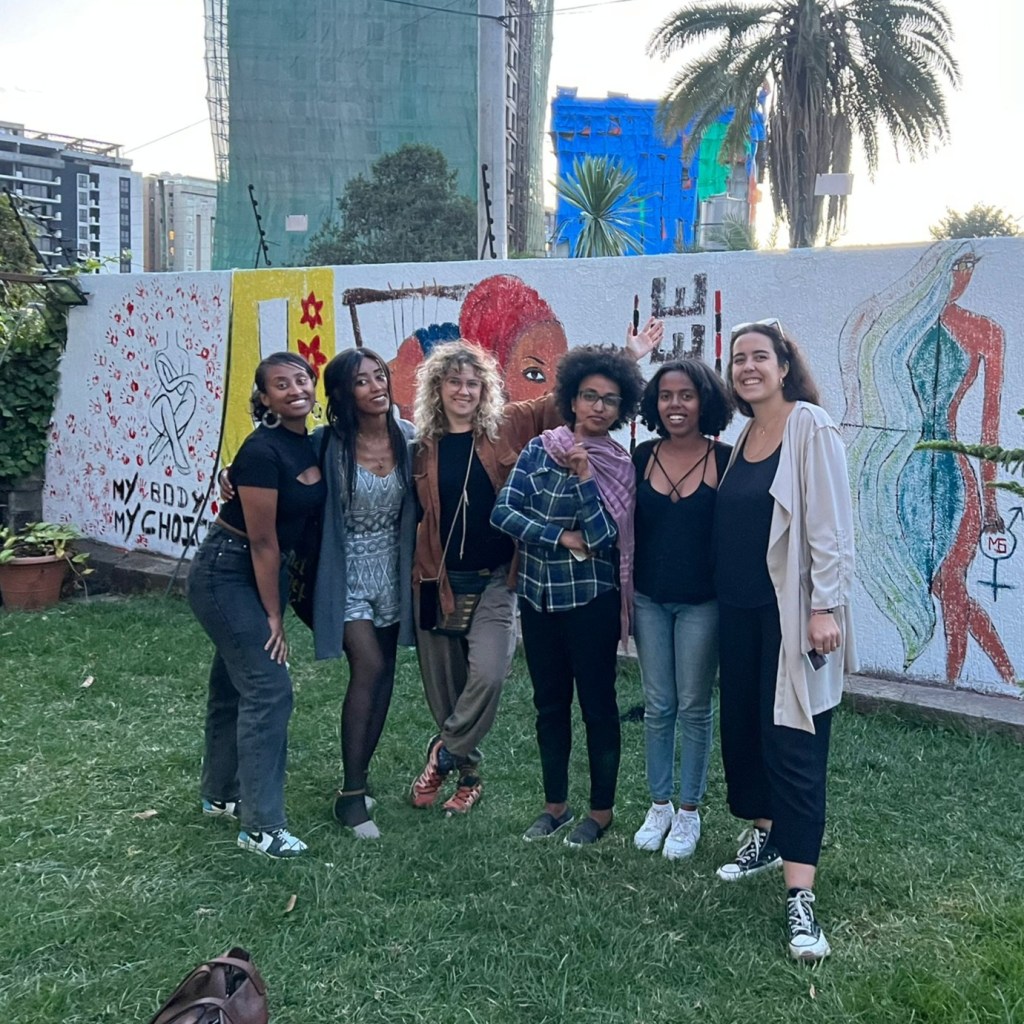
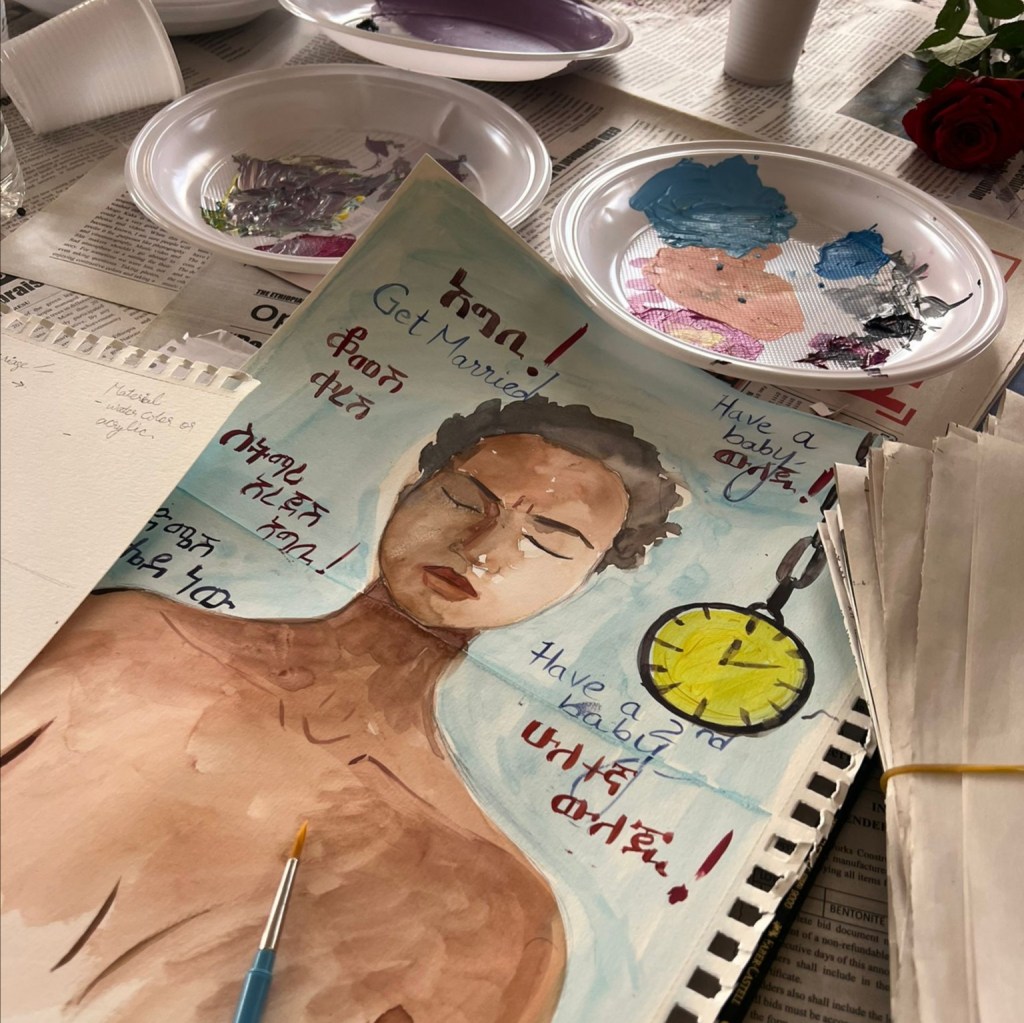
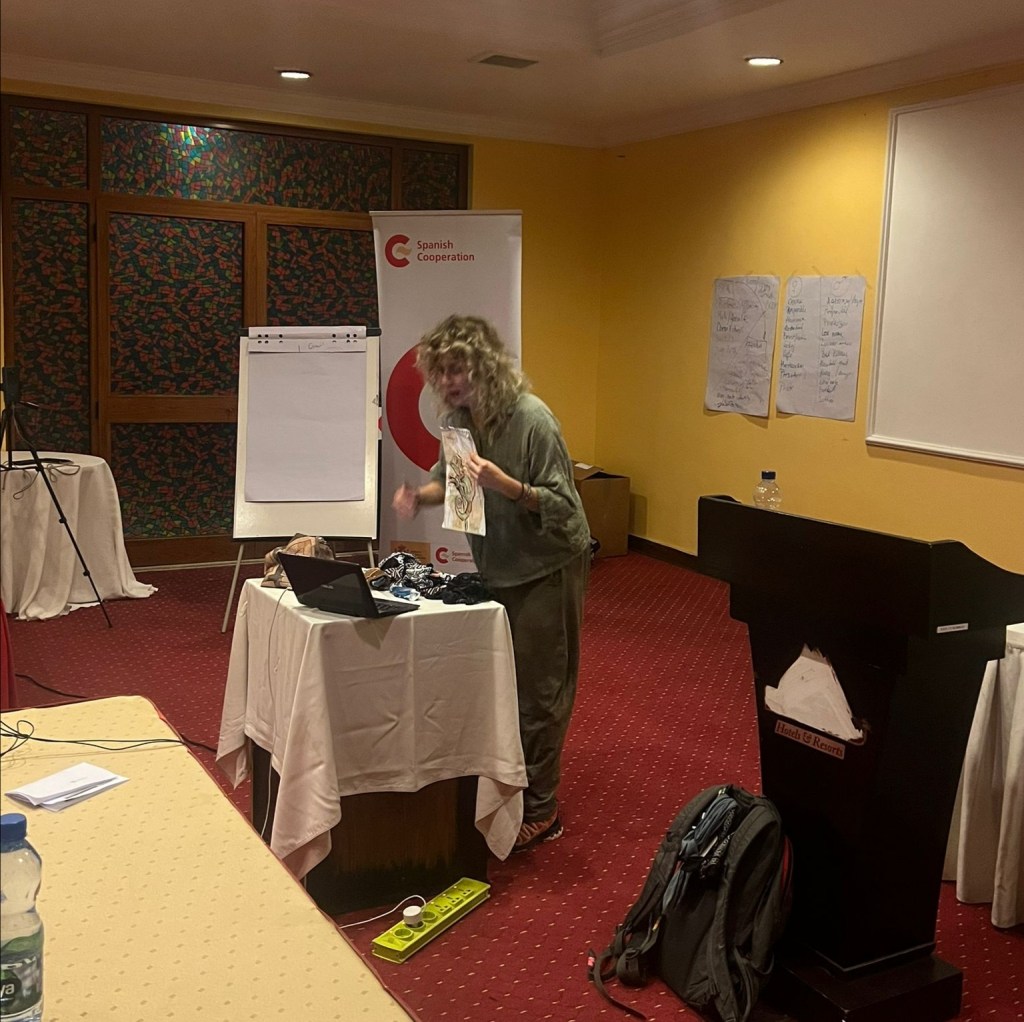
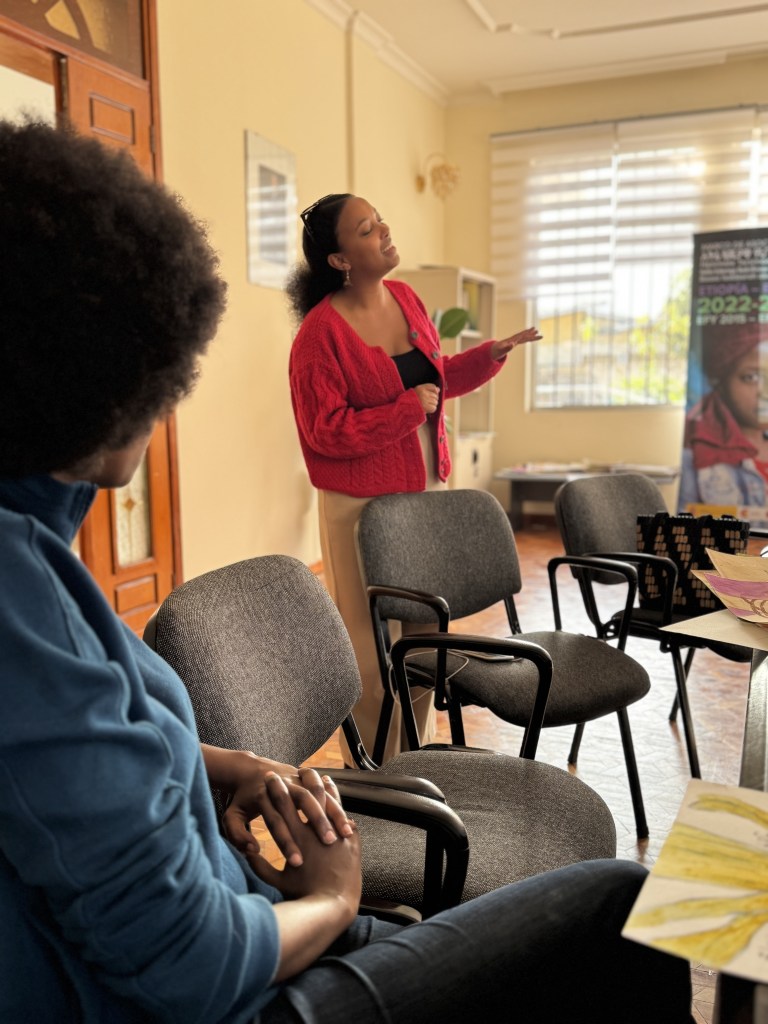
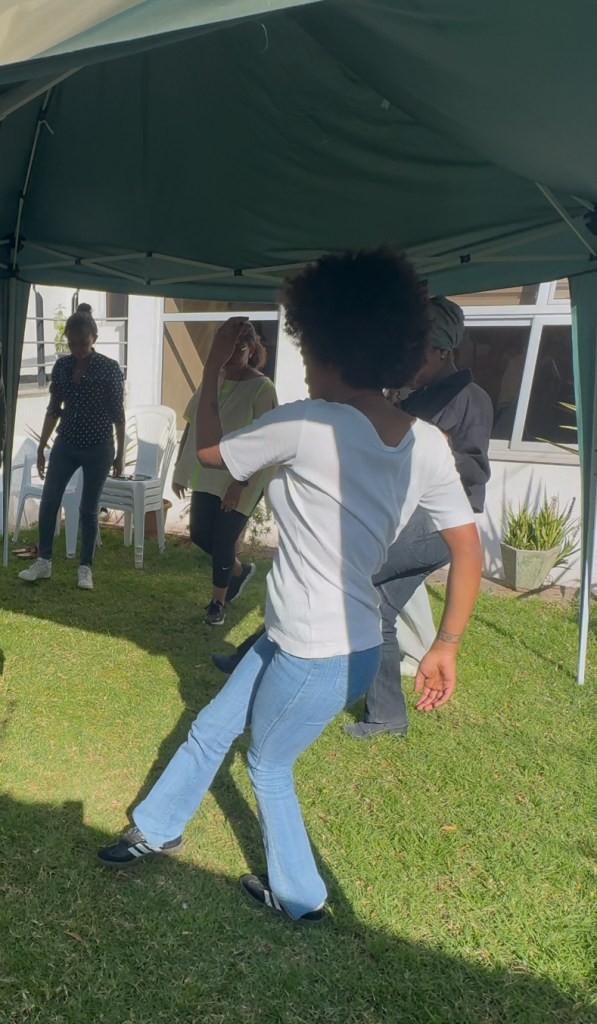
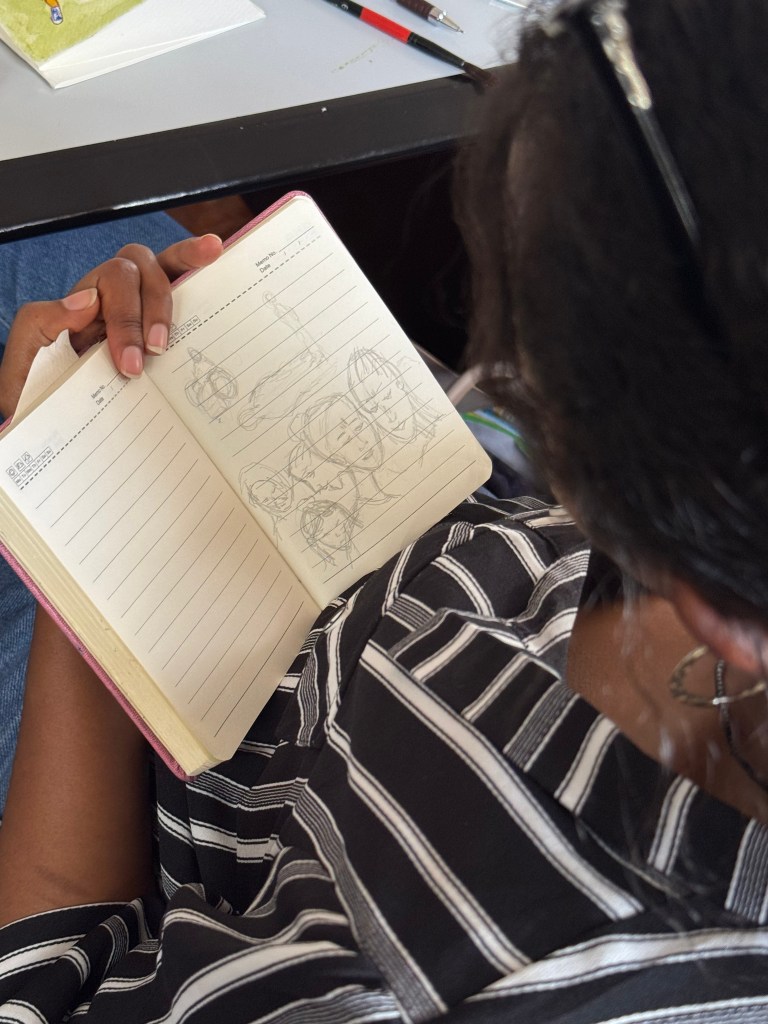
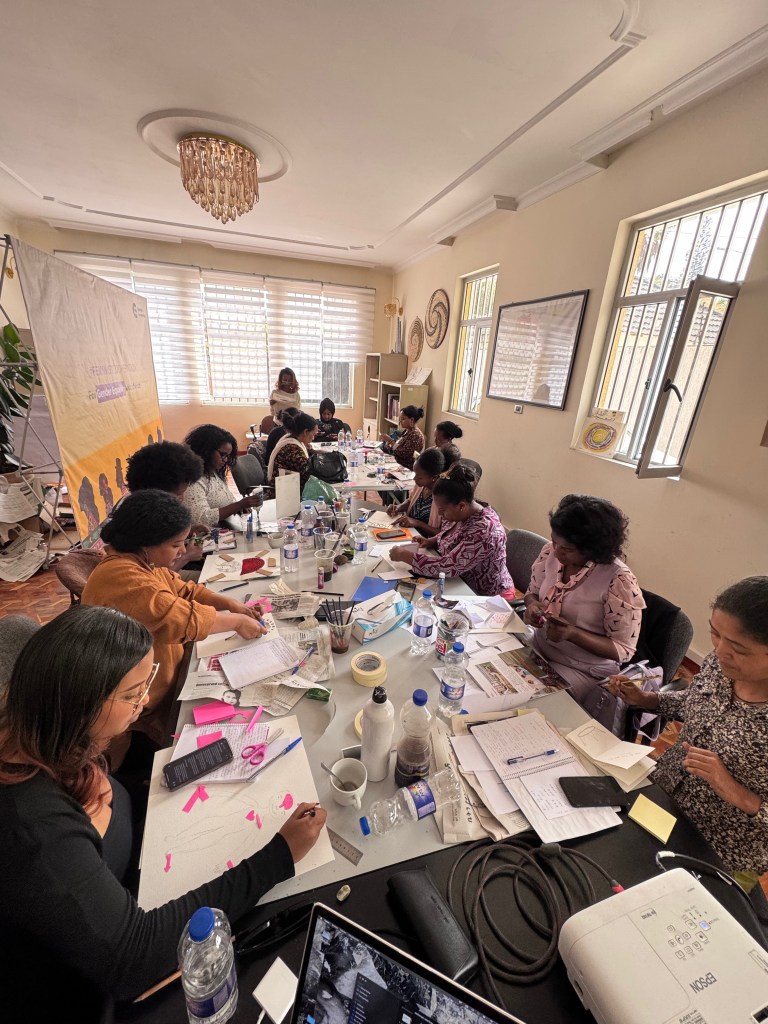
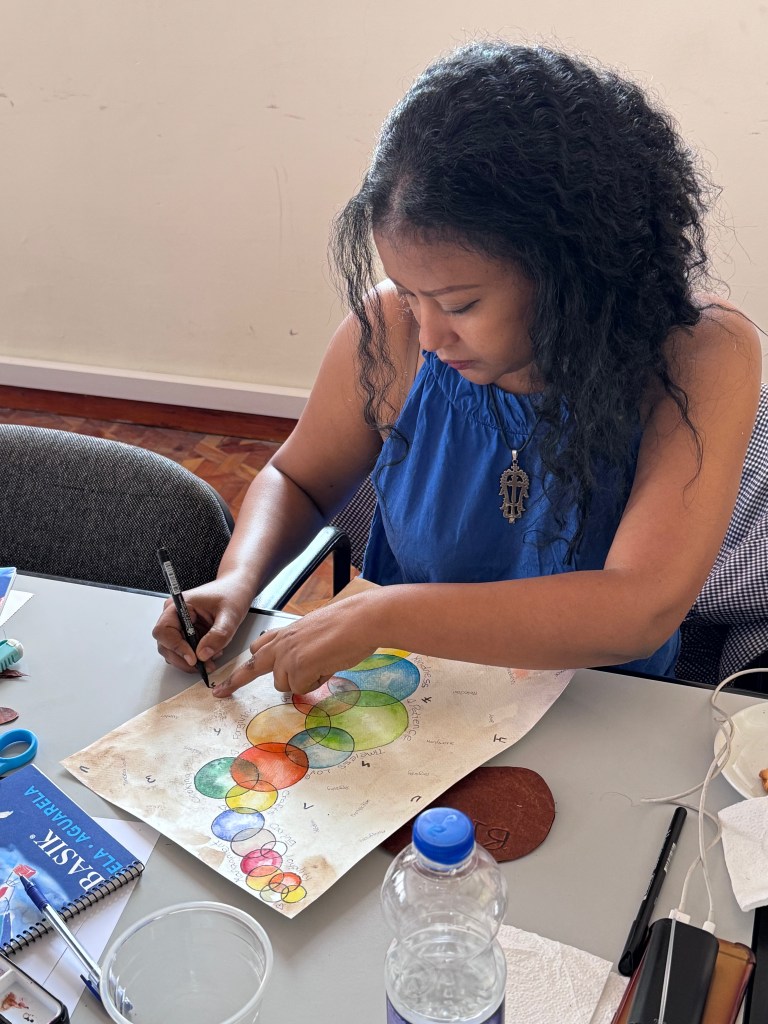
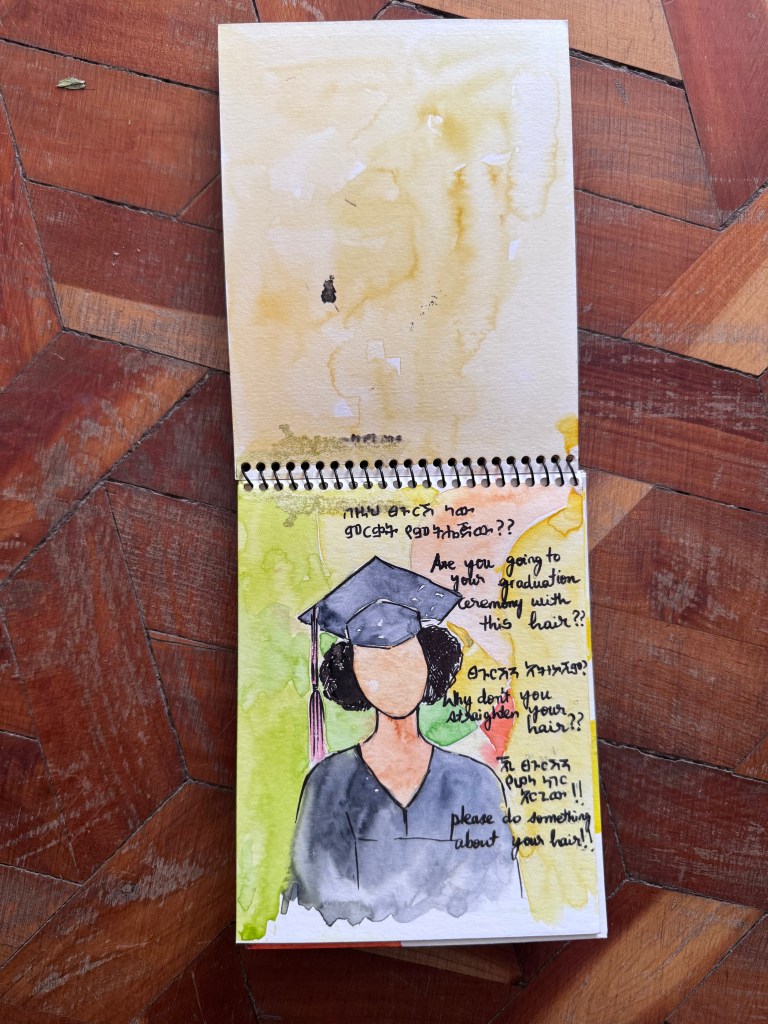
The initial edition focused exclusively on women artists. Through theatre, drawing, performance, and collective reflection, participants explored patriarchal structures, gender violence, identity, censorship, and the politics of the body. That year, the performance-lecture Camaleona daltónica was presented within the “Art and Feminisms” conference, examining how social norms produce self-censorship and exclusion.
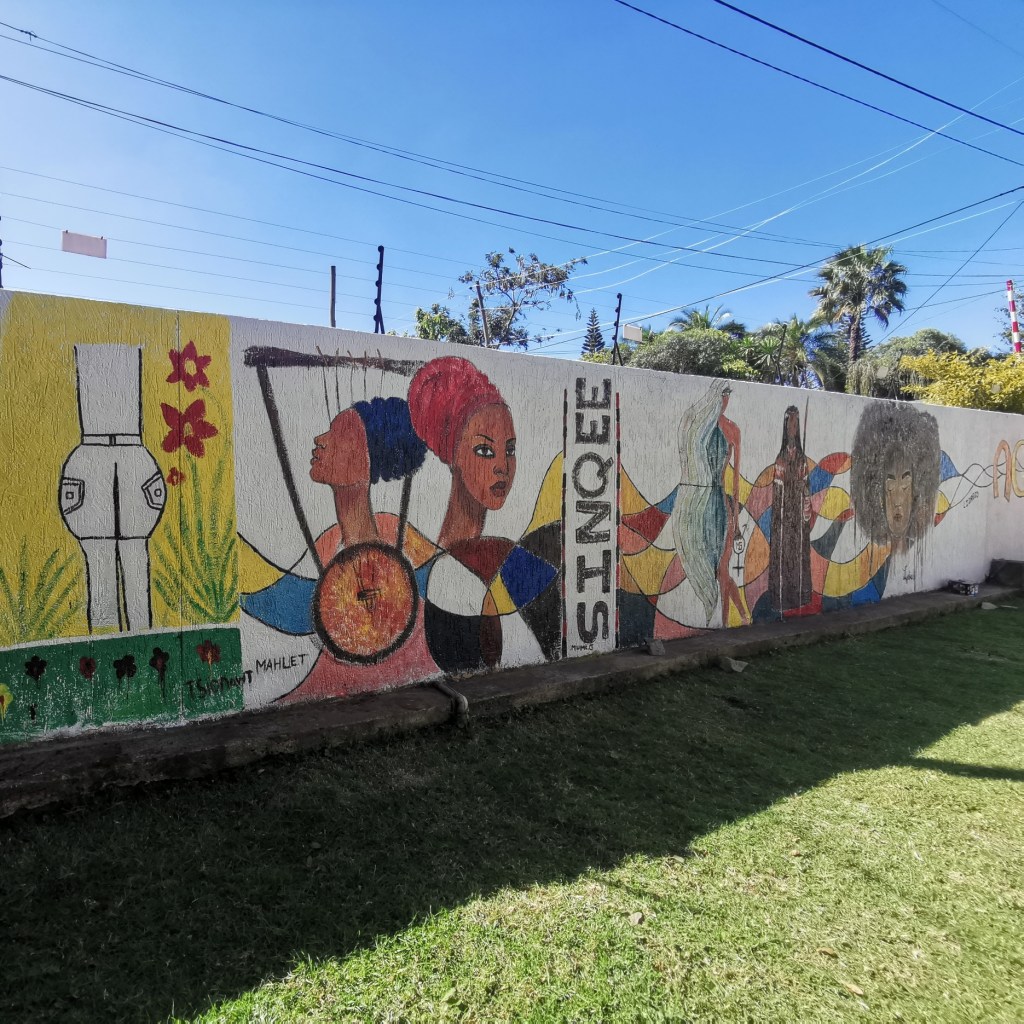
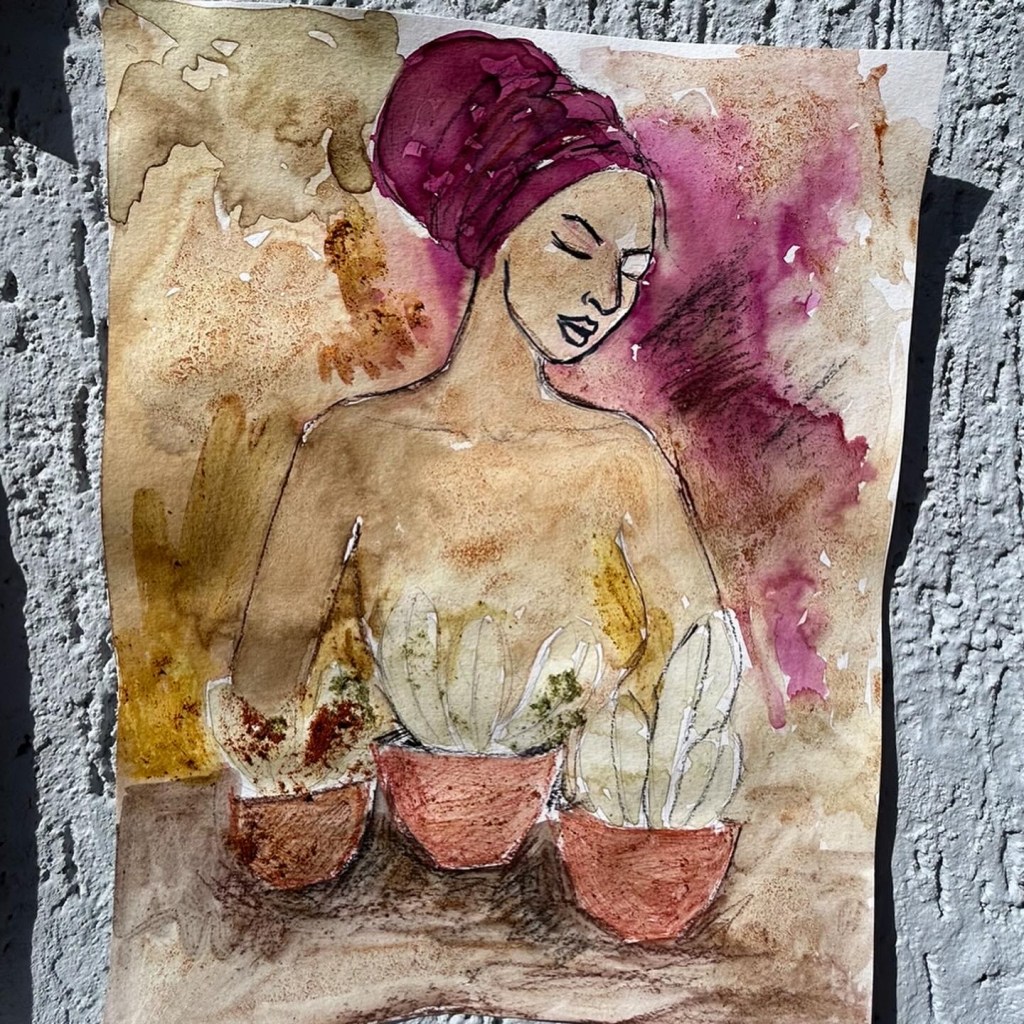
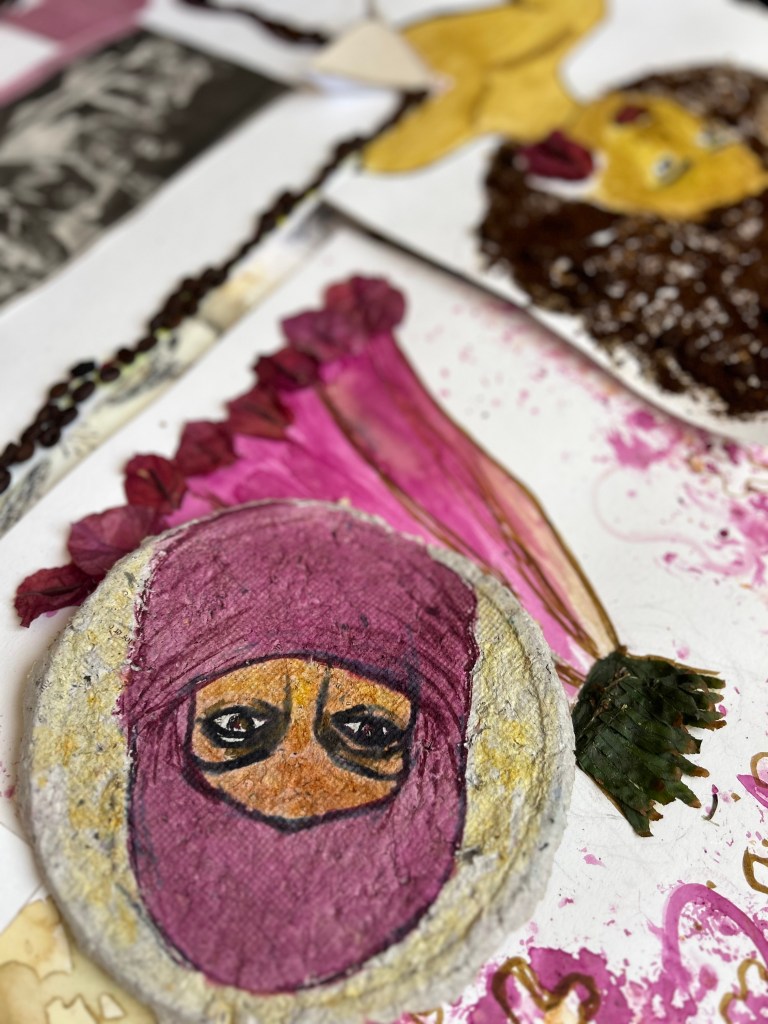
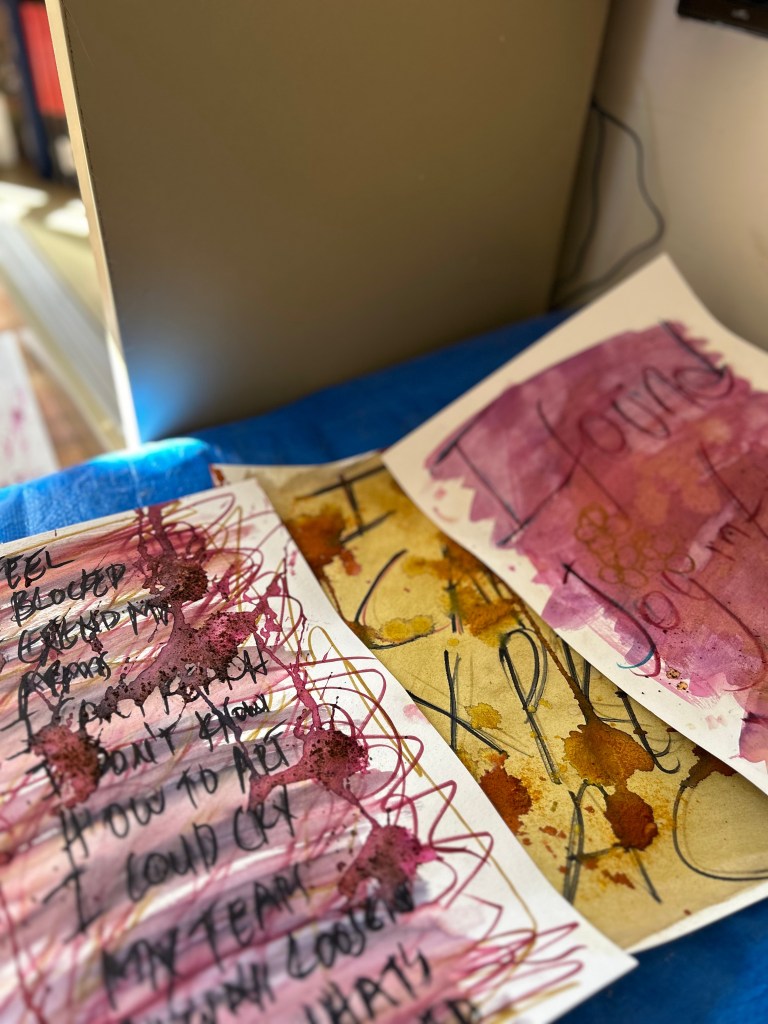
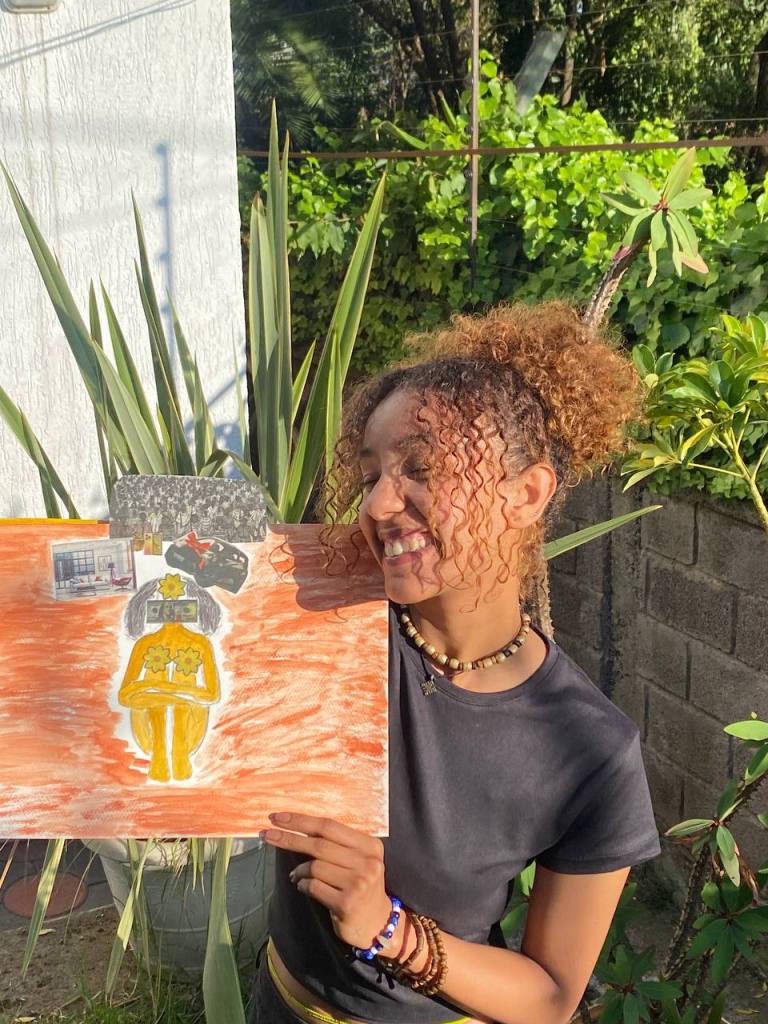
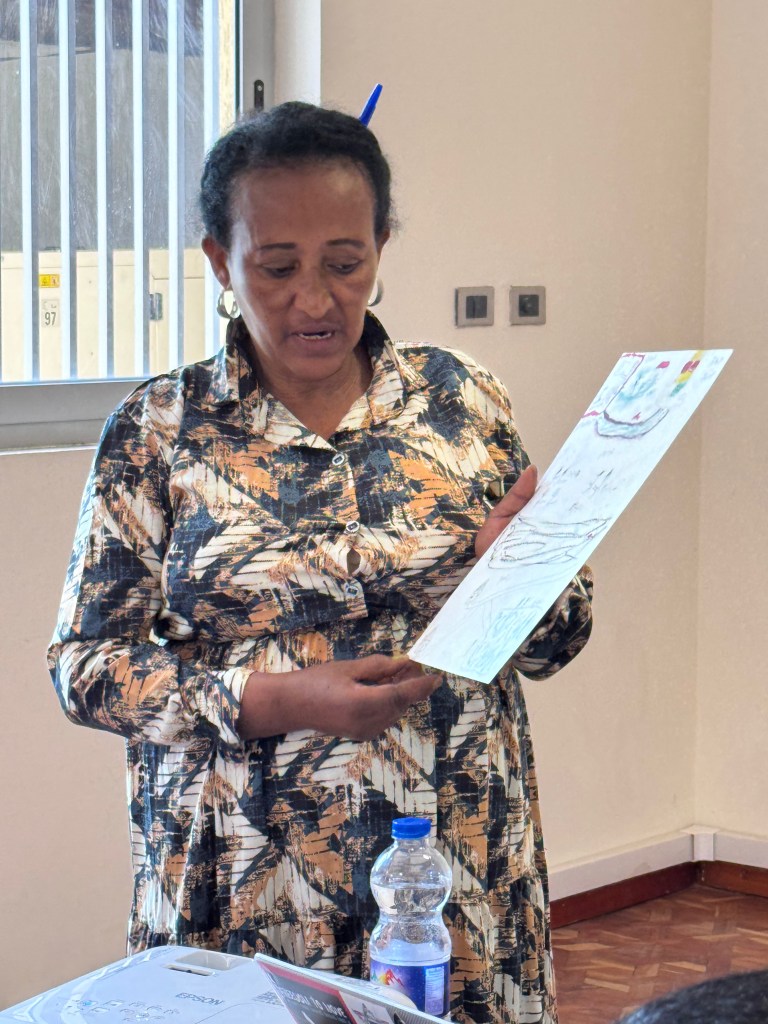
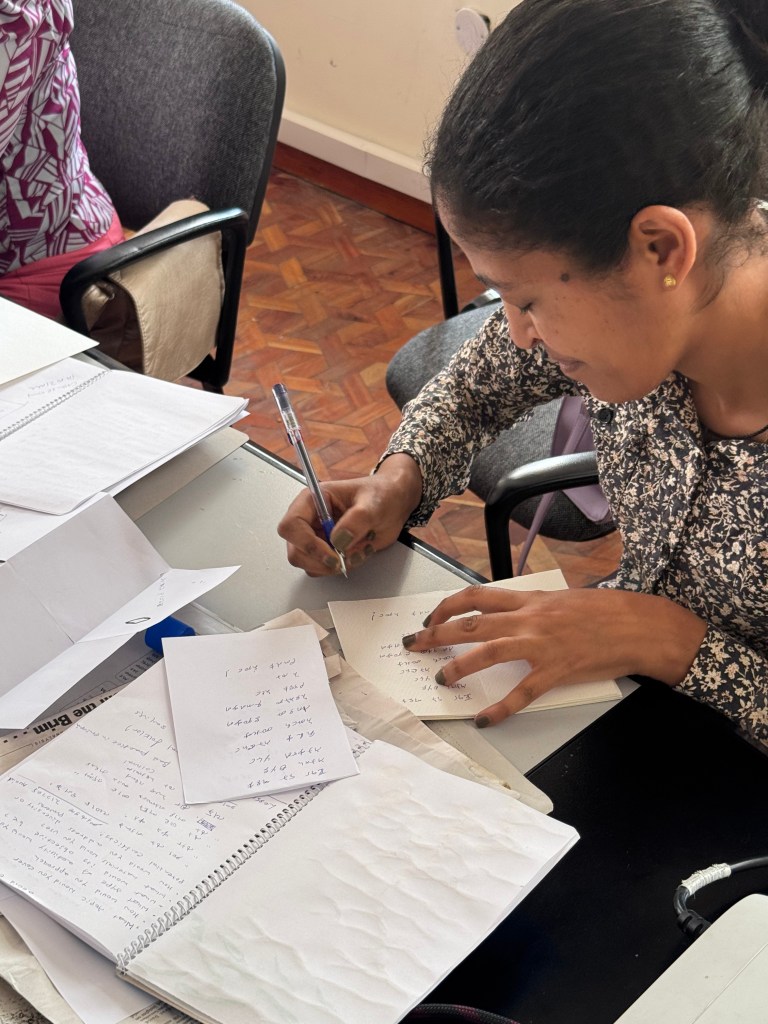
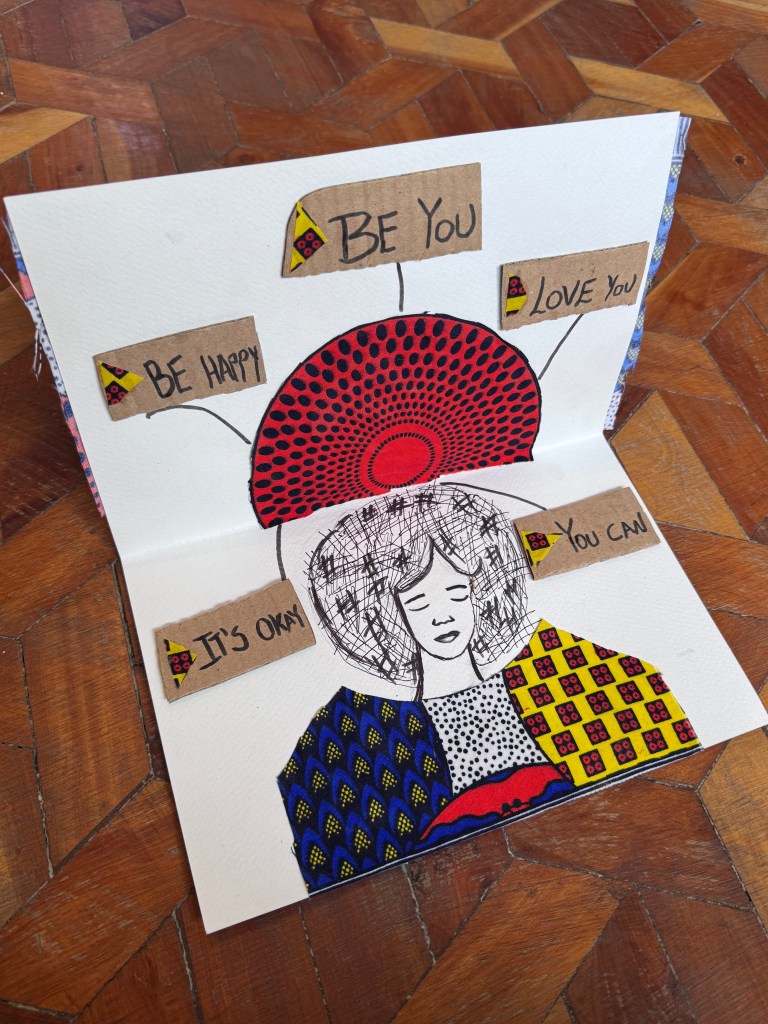
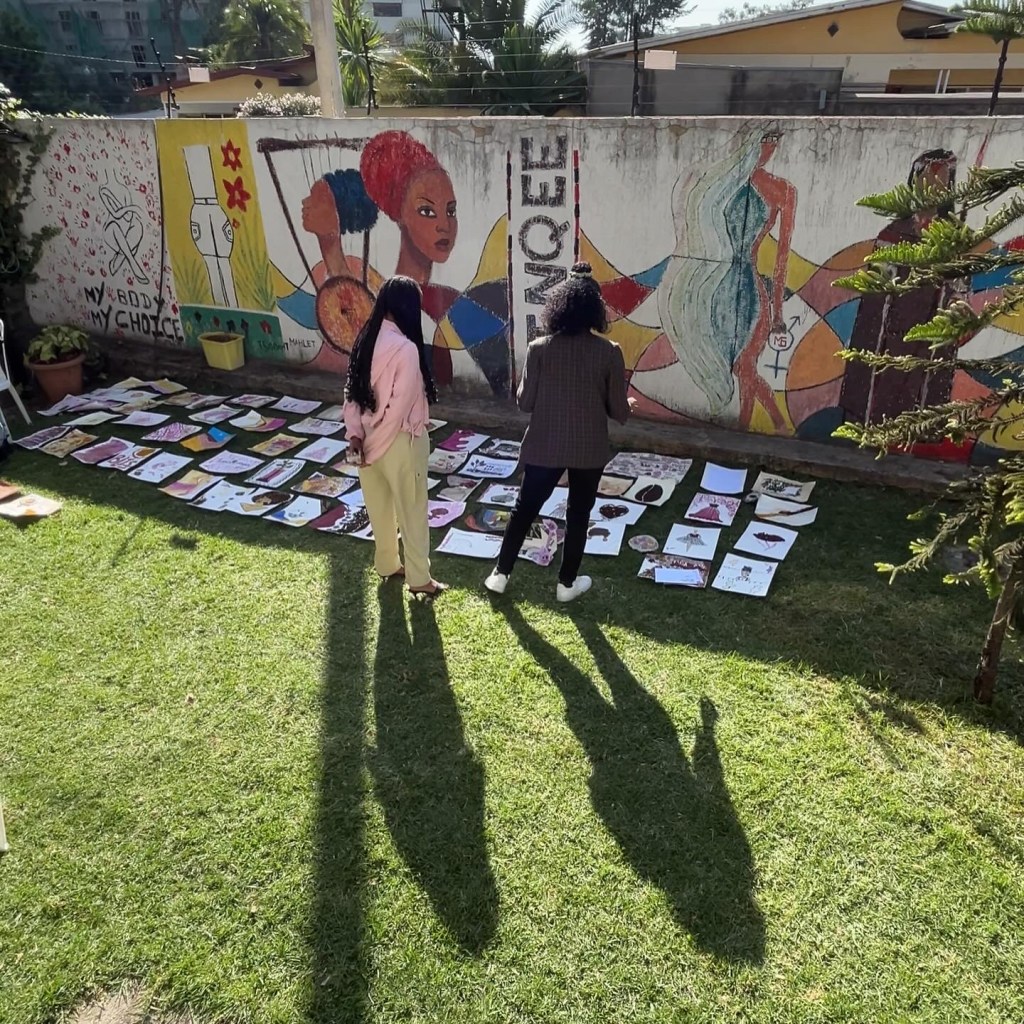
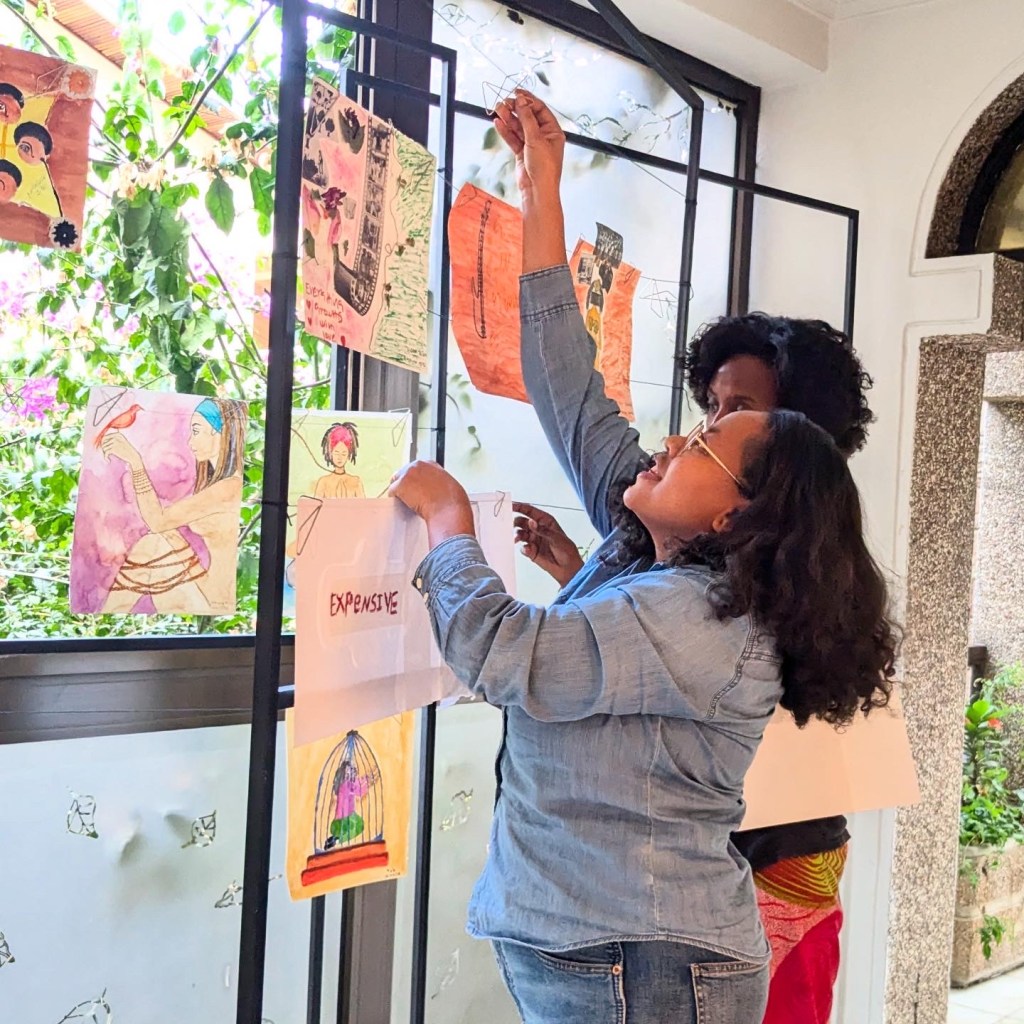
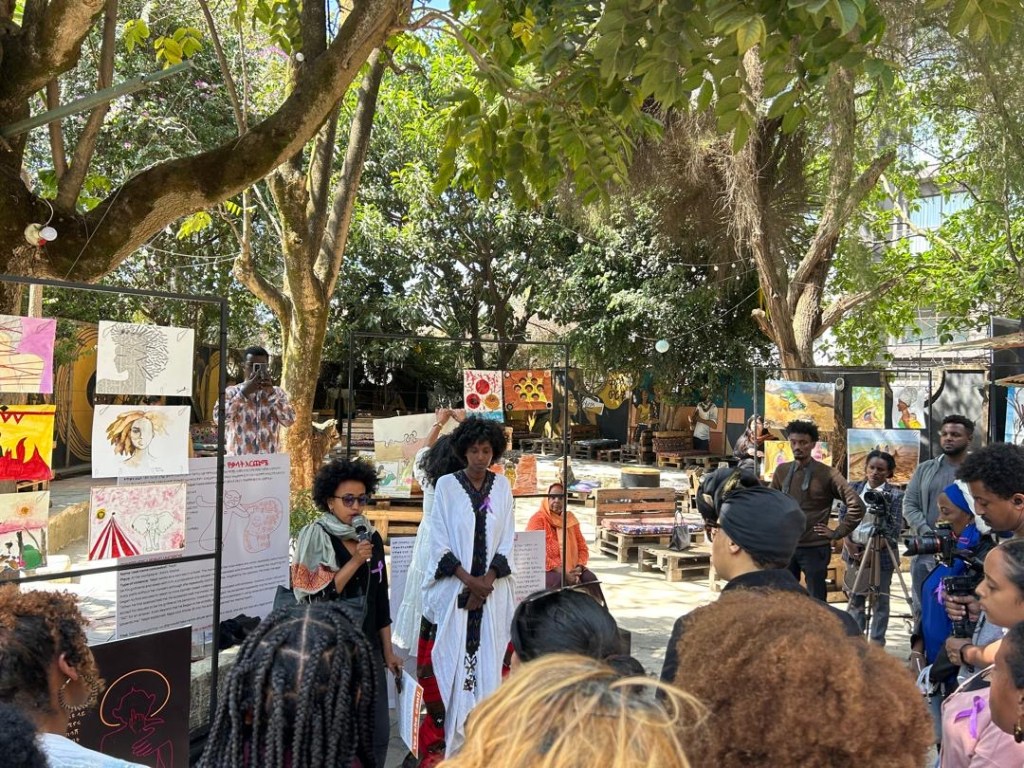
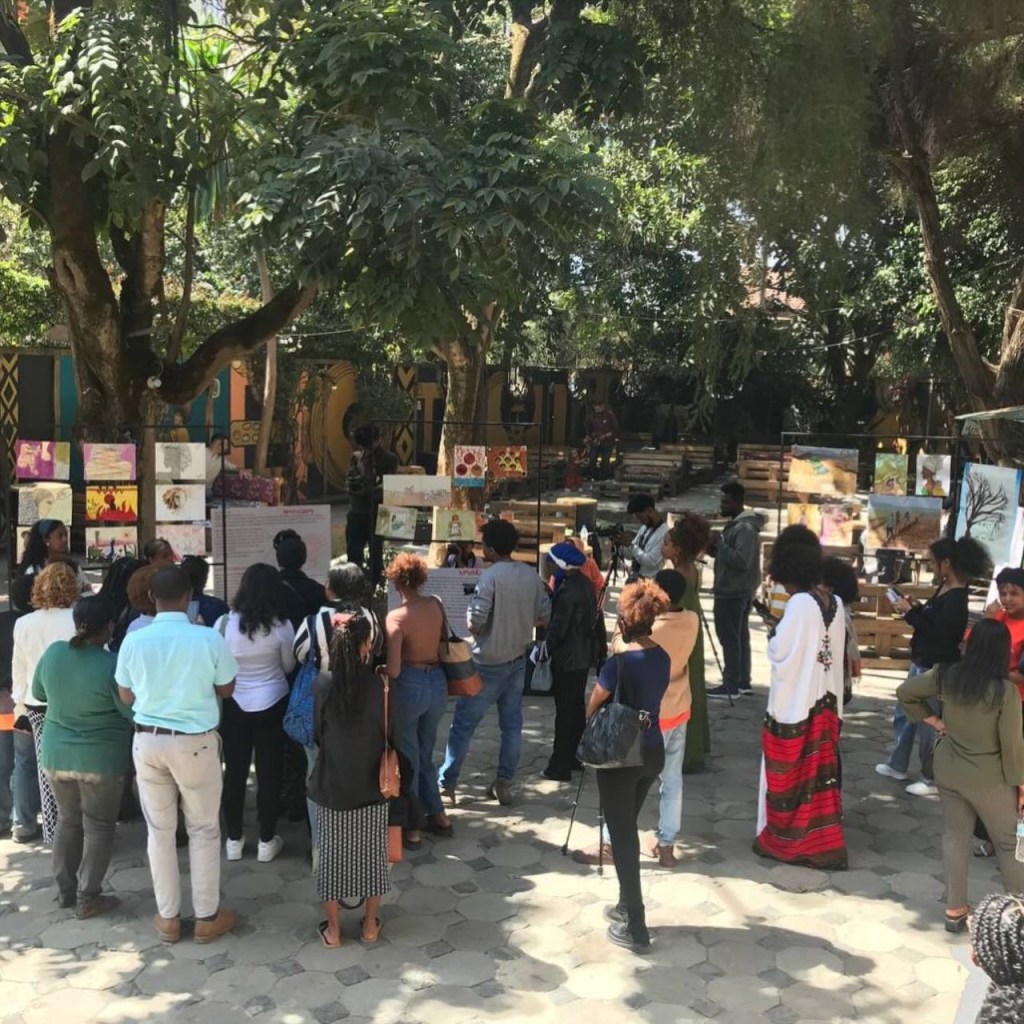
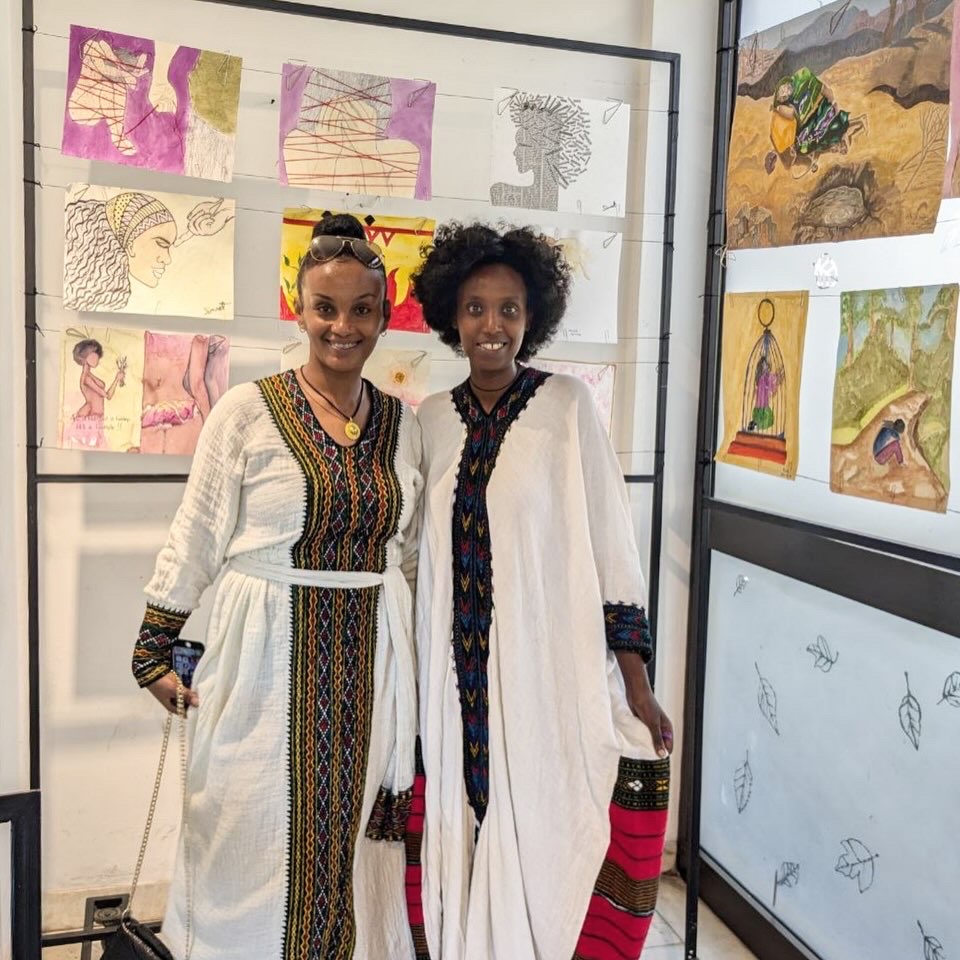
From the beginning, each workshop culminated in a public exhibition or presentation, often aligned with key feminist dates such as November 25th (International Day for the Elimination of Violence Against Women). The works created—frequently using ecological or low-cost materials—became tools for collective storytelling and political expression.
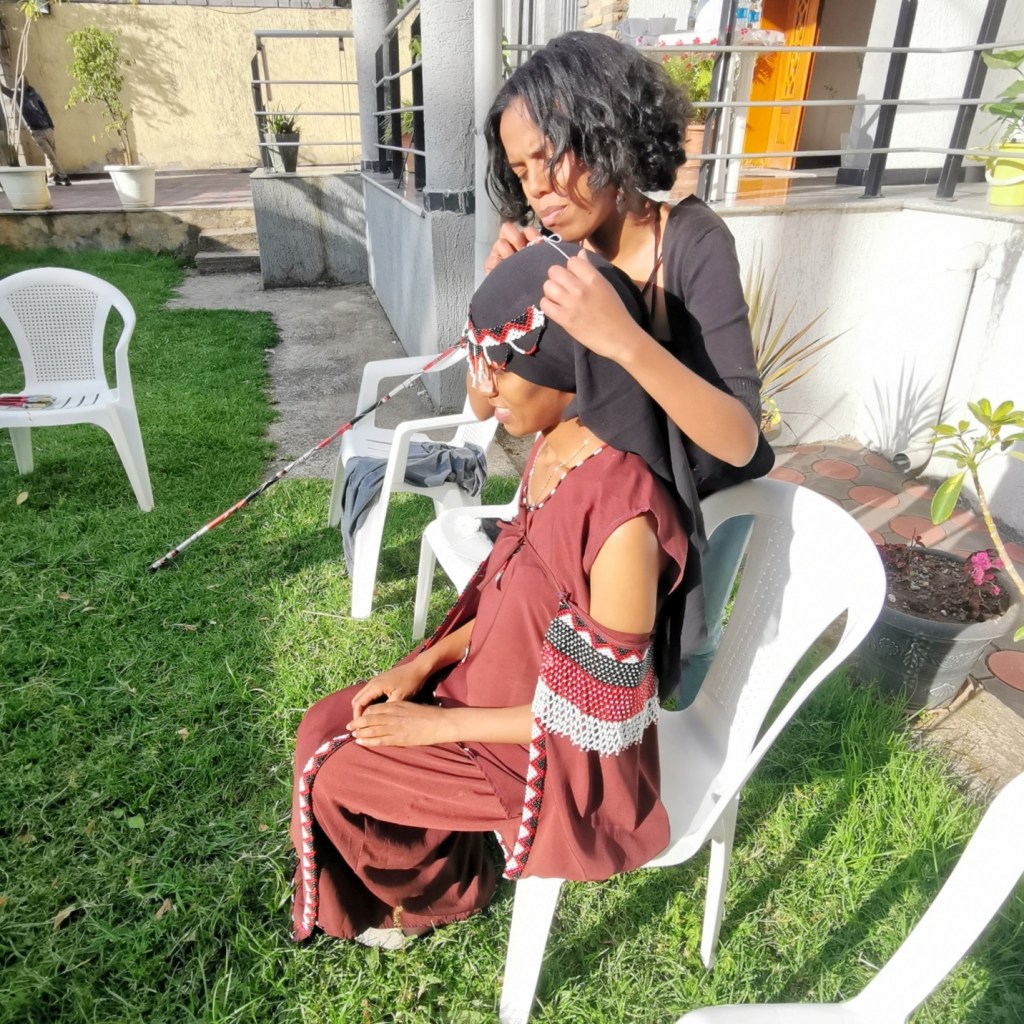
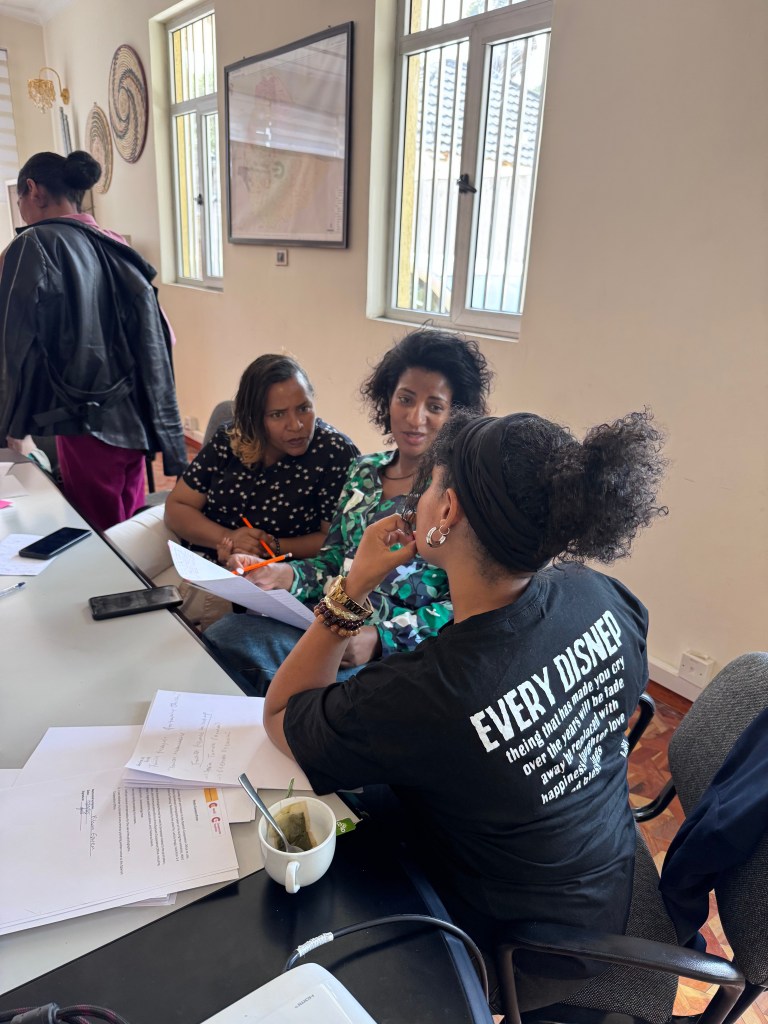
In 2023, the project expanded conceptually with Living Arts & Decolonial Gender: From Ecofeminism, integrating ecofeminist and decolonial frameworks into the methodology. Artistic practice was combined with feminist theory, embodied exercises, debate, and collaborative production.
Over time, the structure evolved. What began as a single workshop for artists developed into a dual format:
Workshops for women artists, focused on artistic creation as a space of resistance and narrative autonomy. Workshops for women educators and trainers (school teachers, high school educators, social workers, and cultural professionals), designed to translate feminist artistic methodologies into pedagogical tools for classrooms and community work.
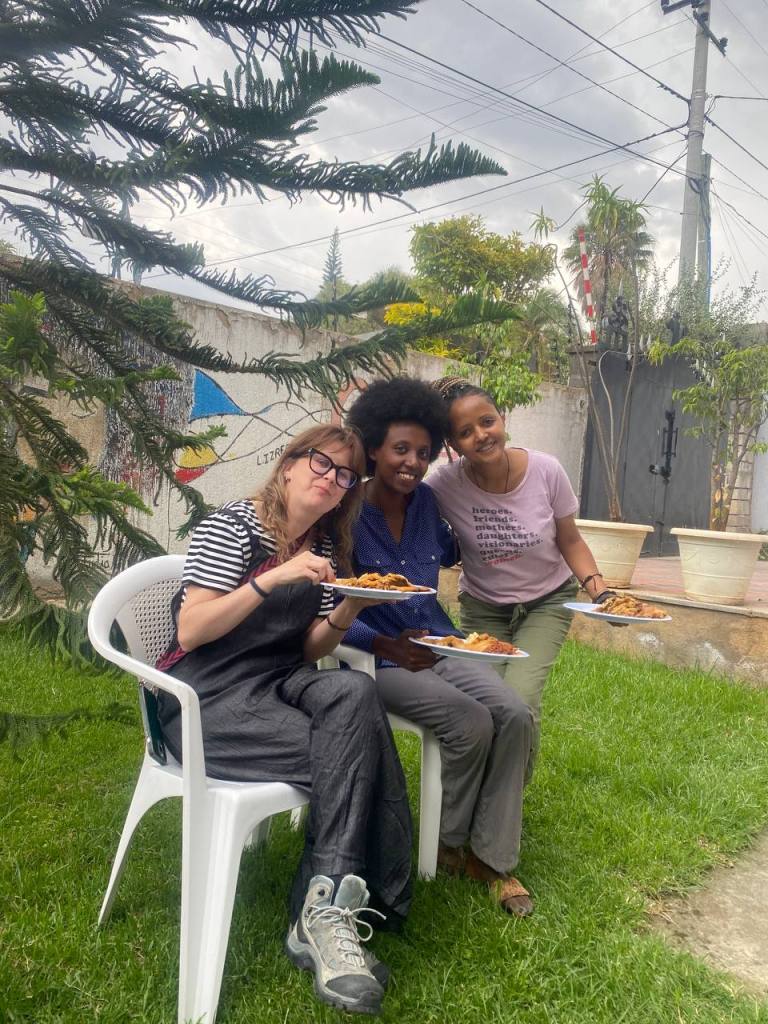
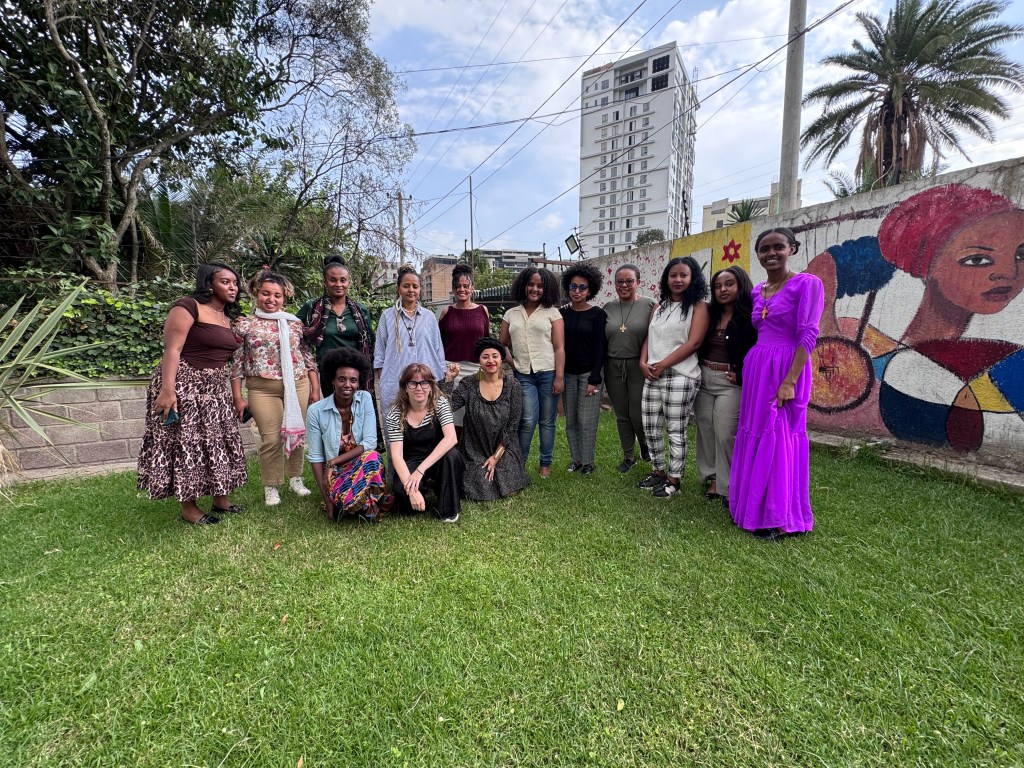
Across five editions, the project has consolidated a sustained network of artists and educators in Addis Ababa. The emphasis is not on short-term intervention but on continuity, exchange, and the co-creation of feminist pedagogies through art.
Rather than positioning art as decoration or therapy, this work understands artistic practice as a critical method — a way of thinking, questioning, and transforming social structures.
 Leticia Izrego